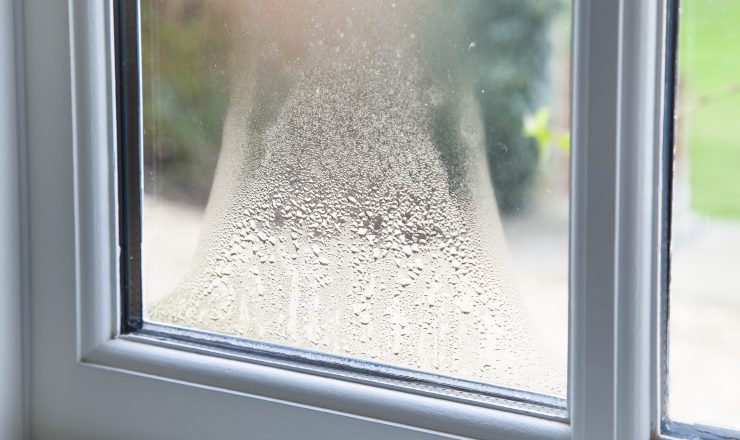
Window Condensation Repair: Understanding Causes, Solutions, and Prevention
Window condensation can be a typical problem within homes, particularly in regions experiencing significant temperature level fluctuations. While it might appear merely as a short-term annoyance, consistent condensation can lead to a series of issues consisting of mold development, mildew, and even structural damage. This comprehensive guide digs into the causes of window condensation, determines efficient repair solutions, and provides preventive steps to keep your windows dry and clear.
Comprehending Window Condensation
Before diving into repair approaches and preventive methods, it is essential to comprehend what causes window condensation. Generally, condensation happens when warm, moist air comes into contact with a cool surface area. The moisture in the air then condenses into water beads, which can collect on windows. This can take place for numerous reasons, which can be classified as follows:
Environmental Conditions:
- High humidity levels in the home arising from cooking, showering, or drying clothing inside.
- Outside weather, such as rain, snow, or fog, that develop substantial temperature distinctions.
Poor Ventilation:
- Insufficient air blood circulation can result in wetness within the home, increasing humidity levels.
Window Problems:
- Inefficient window insulation, which can be brought on by aging frames or harmed seals.
- Single-pane windows, which are extremely susceptible to condensation.
Thermal Bridging:
- Heat loss in certain places of the home can trigger the interior surface area of the window frame or glass to cool down excessive, leading to condensation.
Comprehending these causes can assist homeowners recognize the most proper methods for repair and prevention.
Repair Solutions for Window Condensation
As soon as the source of the condensation has been identified, taking restorative action becomes vital. Here are some efficient methods for repairing and reducing window condensation:
1. Improve Ventilation
Increasing air flow within the home can substantially reduce humidity levels:
- Install Exhaust Fans: Use exhaust fans in locations susceptible to high moisture, such as bathroom and kitchens, to expel humid air.
- Open Windows Regularly: Whenever weather permits, open windows to let wet air escape and permit fresh air to enter.
- Utilize Dehumidifiers: These can be especially beneficial in areas like basements or utility room where humidity levels tend to be high.
2. Improve Insulation
Upgrading insulation can help maintain consistent temperatures inside the home, thus minimizing condensation:
- Replace Old Windows: Consider installing double-glazed or triple-glazed windows that offer much better insulation than single-pane alternatives.
- Weatherproofing: Apply weather condition removing around window frames or use caulking to seal any gaps where air may get away.
3. Utilize Anti-Condensation Treatments
Numerous products can help in reducing the incident of condensation:
- Anti-Condensation Window Film: This item can be applied to the glass to boost insulation.
- Hydrophilic Coatings: These unique finishings draw in water particles, triggering condensation to spread out equally throughout the glass and vaporize rapidly.
4. Routine Maintenance
Routine checks and repairs can maintain window performance and avoid condensation:
- Inspect Seals and Frames: Regularly inspect the window seals for any indications of damage or decay. This includes replacing cracked or broken seals.
- Tidy Windows: Keeping windows clean can reduce the accumulation of contaminants that might draw in moisture.
Regularly Asked Questions (FAQs)
1. What is the distinction between window condensation and window fogging?
Response: Window condensation describes water droplets forming on the inside of the window due to humidity. Window fogging, on the other hand, typically explains the misty appearance that happens when moisture creeps in between panes of glass in dual or triple-pane windows and suggests a seal failure.
2. Can I avoid window condensation in older homes?
Answer: Yes, while older homes might have their challenges, improving ventilation, utilizing dehumidifiers, and improving insulation can substantially help in reducing condensation. Misted Double Glazing UK of windows is likewise crucial.
3. How do I know if my window seals are broken?
Response: Signs of broken window seals include condensation or fog between the panes of sealed windows, discoloration, or increased drafts. If you observe these indications, think about seeking advice from a professional.
4. Is window condensation harmful?
Response: While periodic condensation may not be damaging, consistent moisture can cause mold development, wood rot, and deterioration of window frames, which can cause more significant structural concerns with time.
5. Should I repair or change my windows?
Response: This largely depends on the extent of the damage. If your windows are old and have numerous problems, a complete replacement may be more cost-efficient in the long run. However, if condensation is limited to seal failure, repair might be adequate.
Avoidance Tips
To avoid future occurrences of window condensation, consider the following suggestions:
- Monitor Humidity Levels: Use a hygrometer to preserve indoor humidity between 30-50%.
- Usage Exhaust Fans: Ensure that fans are running throughout activities that produce moisture.
- Routinely Check Windows: Implement a regimen of inspecting windows for any possible issues.
Window condensation can be a discouraging issue, but comprehending its causes and implementing efficient repair solutions can alleviate its impact on the home. By enhancing ventilation, improving insulation, and routinely keeping window quality, homeowners can considerably decrease the event of condensation. Prevention is far simpler than repair, so taking proactive procedures makes sure a comfortable environment and secures the stability of your home.
| Element | Actions |
|---|---|
| Ventilation | Set up exhaust fans, open windows, dehumidifiers |
| Insulation | Change old windows, weatherproofing |
| Anti-Condensation | Usage window films and hydrophilic finishes |
| Regular Maintenance | Examine seals and frames, tidy windows |
By following these guidelines, homeowners can delight in clearer views and a healthier living environment devoid of excess moisture.